
 Free Delivery & Return
 365-Day Returns
 10 Million Happy Customers
 500,000 Products in Stock


Kids Room (1'077)


Kids's Room
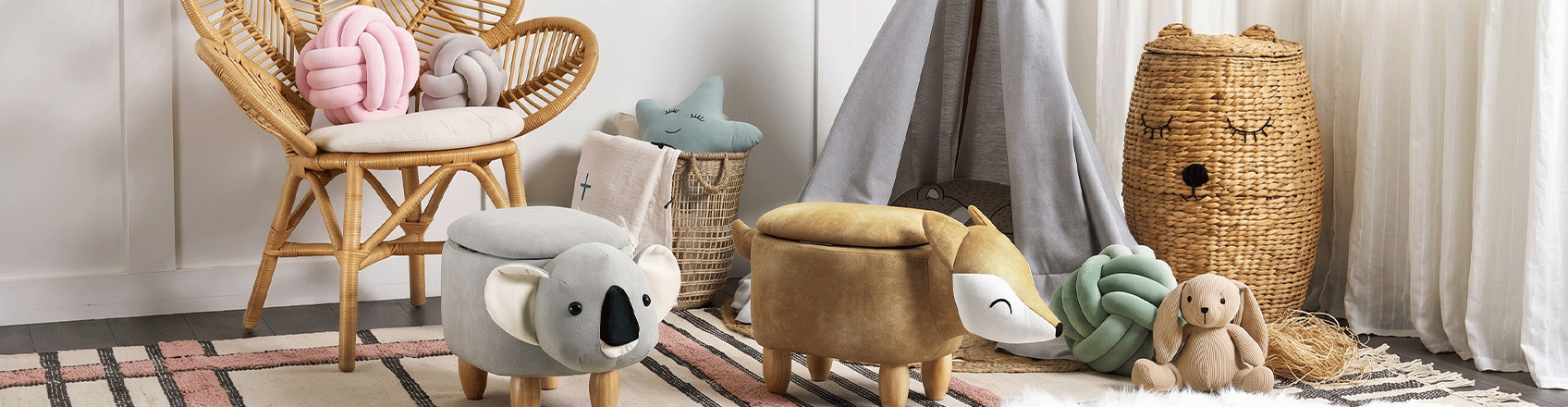
Creating a practical children's room involves balancing a safe sleep area, functional study options, and organised storage systems. When arranging a space for toddlers, young kids, or teenagers, it is essential to focus on adaptable layouts, durable materials, and ergonomic setups that support their daily growth. Choosing pieces that combine safety and durability helps establish an environment that remains usable over many years.
How to select the right bed for a children's room?
The bed serves as the focal point of a child's bedroom, and selecting the appropriate style depends on room layout, available square footage, and the child's age. For smaller or shared rooms, bunk beds or high sleepers offer an excellent way to save space by opening up valuable floor area for play or study. Single wooden or upholstered frames work well for standard rooms, providing stability and classic styling. Always look for designs featuring integrated storage drawers or pull-out trundle beds, which are highly useful for storing seasonal clothes, spare bedding, or accommodating overnight guests without creating extra clutter.
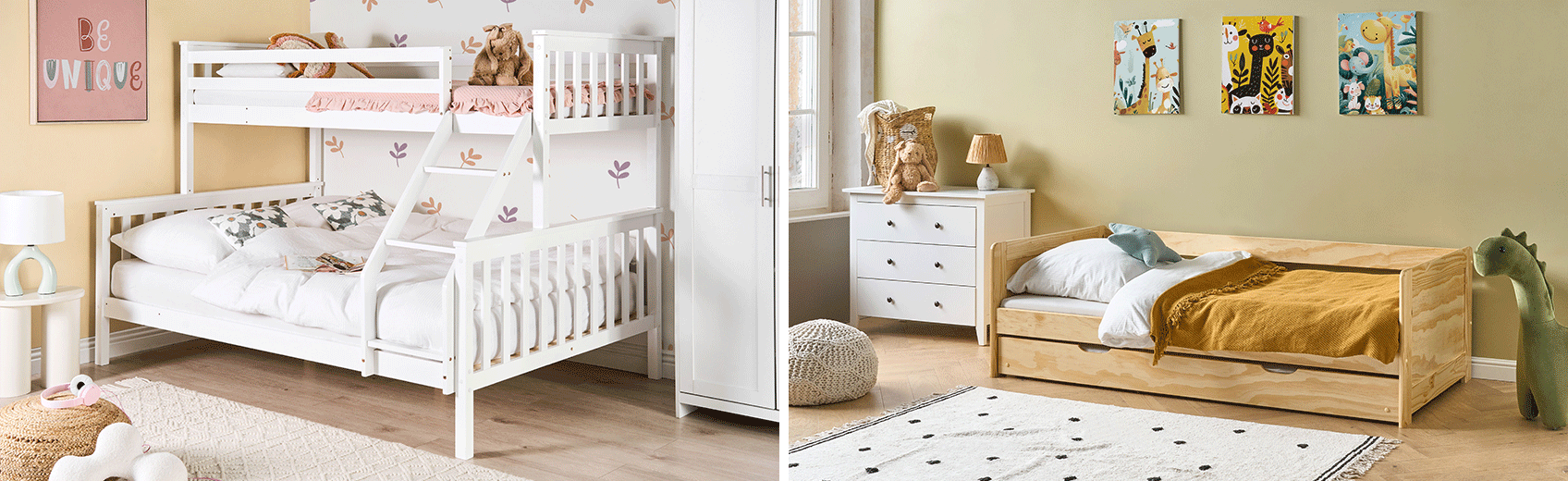
Finding the right support for a restful sleep
A durable bed frame must be paired with a suitable mattress to provide your child with proper spinal alignment and healthy support throughout the night. Whether choosing a pocket-sprung mattress, a breathable foam construction, or a hybrid layout, selecting the correct firmness level is essential for growing bodies.
Read more: how to choose a mattress
What to look for in safe and durable kids' furniture?
Safety and everyday durability are key criteria when choosing bedroom furniture for kids. Select items made with sturdy, natural solid woods, high-grade MDF, or reliable metal frames to ensure they withstand active daily use. Smooth, rounded edges are critical for reducing the risk of accidental bumps or injuries during playtime. Non-toxic finishes, water-based paints, and robust hardware are also essential components of child-safe designs. For taller furniture pieces such as wardrobes, chests of drawers, and bookcases, ensuring standard wall-anchoring capability is necessary to maintain stability and prevent tipping.
How to create an ergonomic study area?
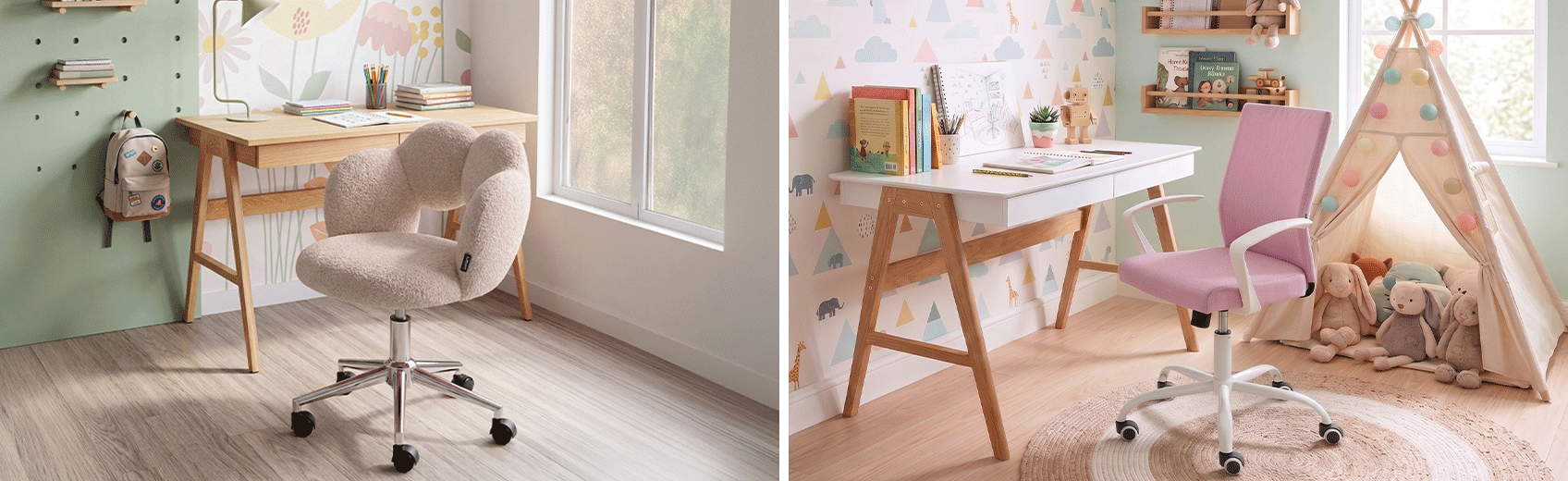
A productive learning environment requires furniture that adapts to a child's posture and height. Pair a sturdy desk with an ergonomic chair that provides proper lumbar support to encourage good sitting habits during homework or creative sessions. Desks featuring built-in drawers or upper shelving help children keep their textbooks, notebooks, and writing materials organised and within easy reach, minimising desktop clutter. Positioning the study area near a natural light source, or adding a focused desk lamp, ensures comfortable visibility and reduces eye strain during evening reading.
What are the best storage solutions for a tidy room?
Maintaining an organised children's room requires a mix of closed and open storage systems. Deep chests of drawers and multi-door wardrobes accommodate growing clothing collections, while open bookcases make it easy for children to access and tidy away their favourite bedtime books. Adding mobile toy chests, low-level shelving units, or fabric storage baskets allows younger children to participate in tidying up their toys after play. For compact rooms, selecting multifunctional furniture pieces, such as storage benches or beds with underneath compartments, helps maximise the floor layout effectively.
How to clean and maintain kids' bedroom furniture?
Children's furniture is prone to frequent spills, dust, and creative accidents, making ease of cleaning an important consideration. Wooden, lacquered, and laminate surfaces can be wiped down quickly with a damp cloth and a mild soap solution to remove smudges, crayon marks, or fingerprints. Avoid harsh chemical cleaners or abrasive scouring pads, as these can wear away or scratch protective finishes over time. For upholstered headboards or fabric seating cushions, vacuum regularly with a soft-bristled attachment to remove dust buildup, and apply immediate spot treatments with a water-based fabric cleaner to manage accidental stains effectively.
What should you check before buying furniture online?
To avoid common installation mistakes, follow a practical checklist before confirming your choice:
- Measure accurate dimensions: Check the total width, depth, and height of the selected furniture piece against the available space in the bedroom.
- Assess clearance zones: Ensure there is enough clearance space to open wardrobe doors, pull out under-bed drawers, or slide out a desk chair comfortably.
- Verify age suitability: Confirm weight limits, height recommendations, and specific safety guardrail clearances, particularly for high sleepers or bunk beds.
- Coordinate existing styles: Select neutral base colours or cohesive wood tones that blend well with your current home decor, flooring, and wall colours.